

Trabalhos em destaque
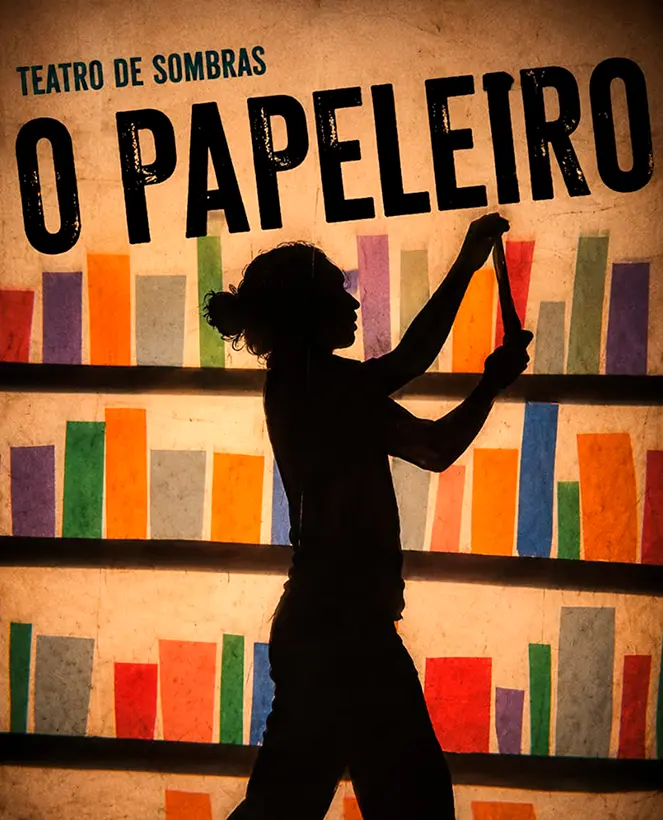
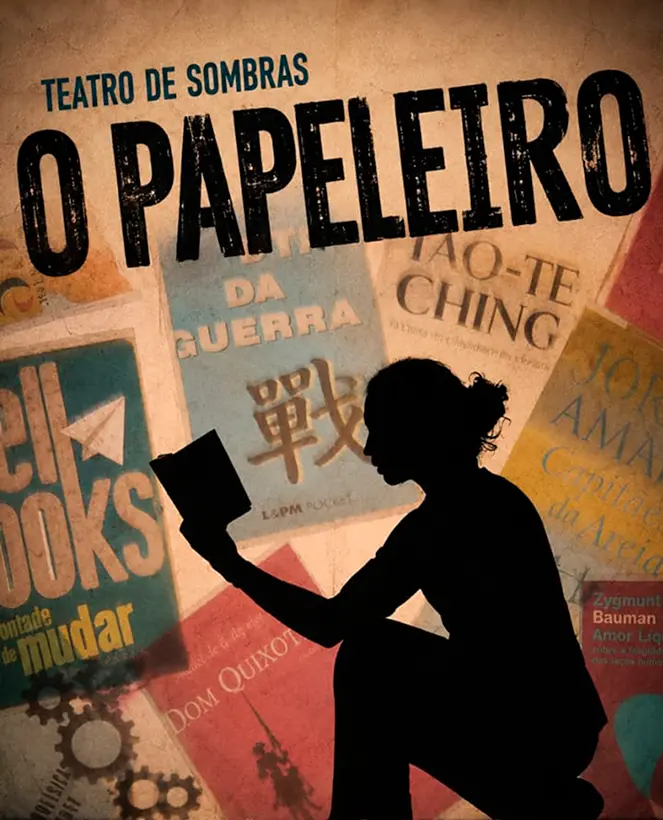
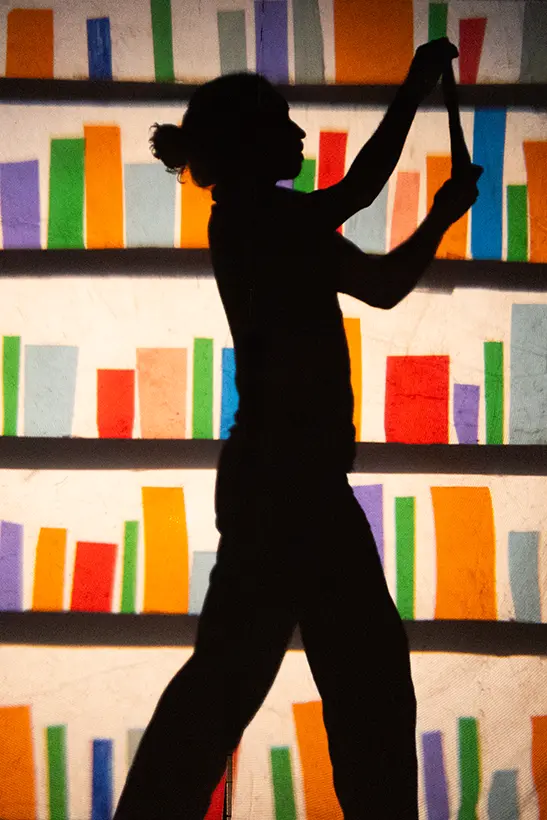
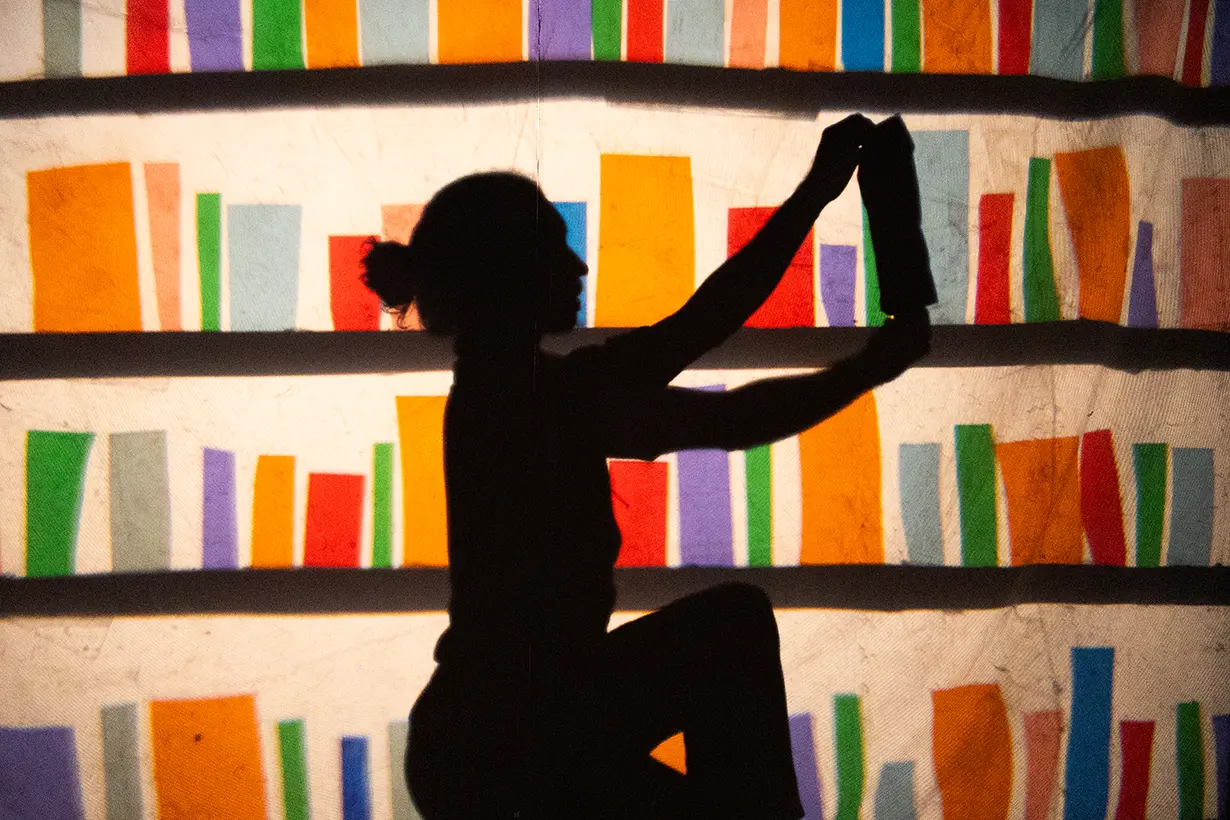
O Papeleiro (2026)
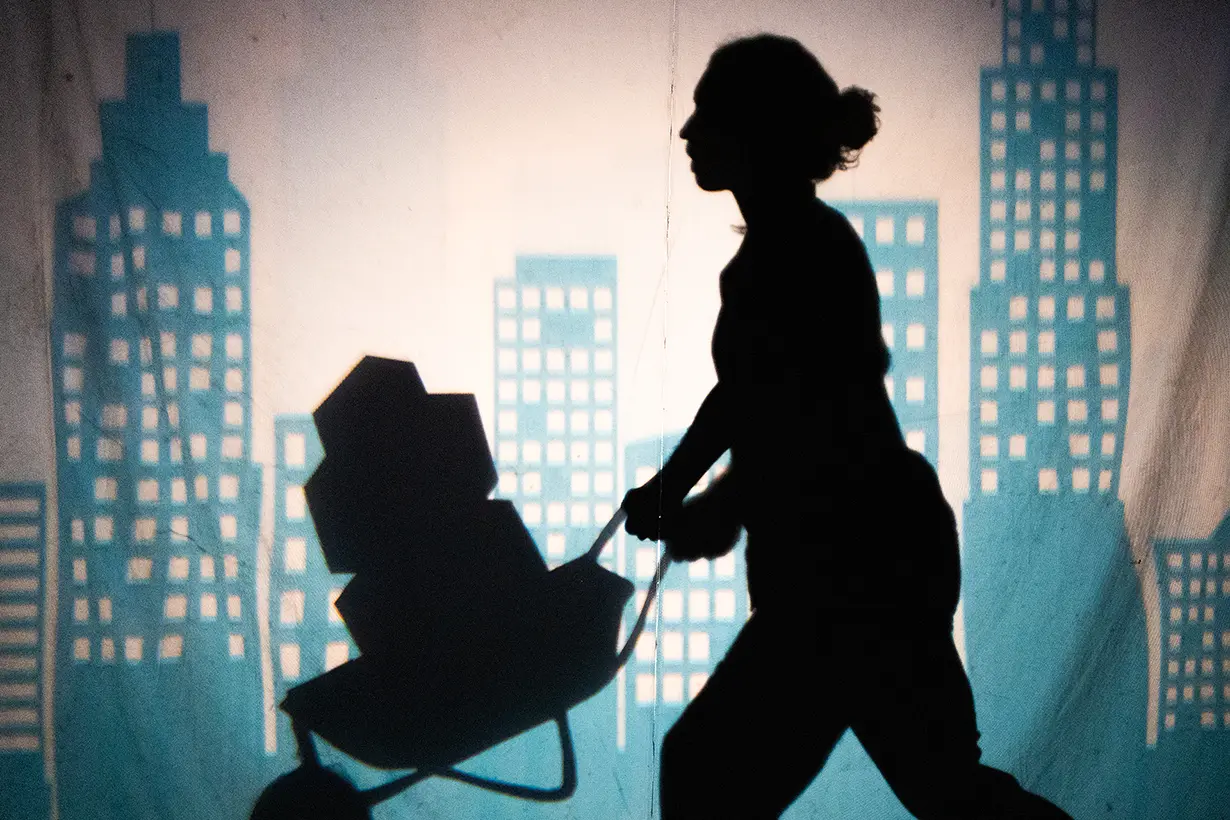
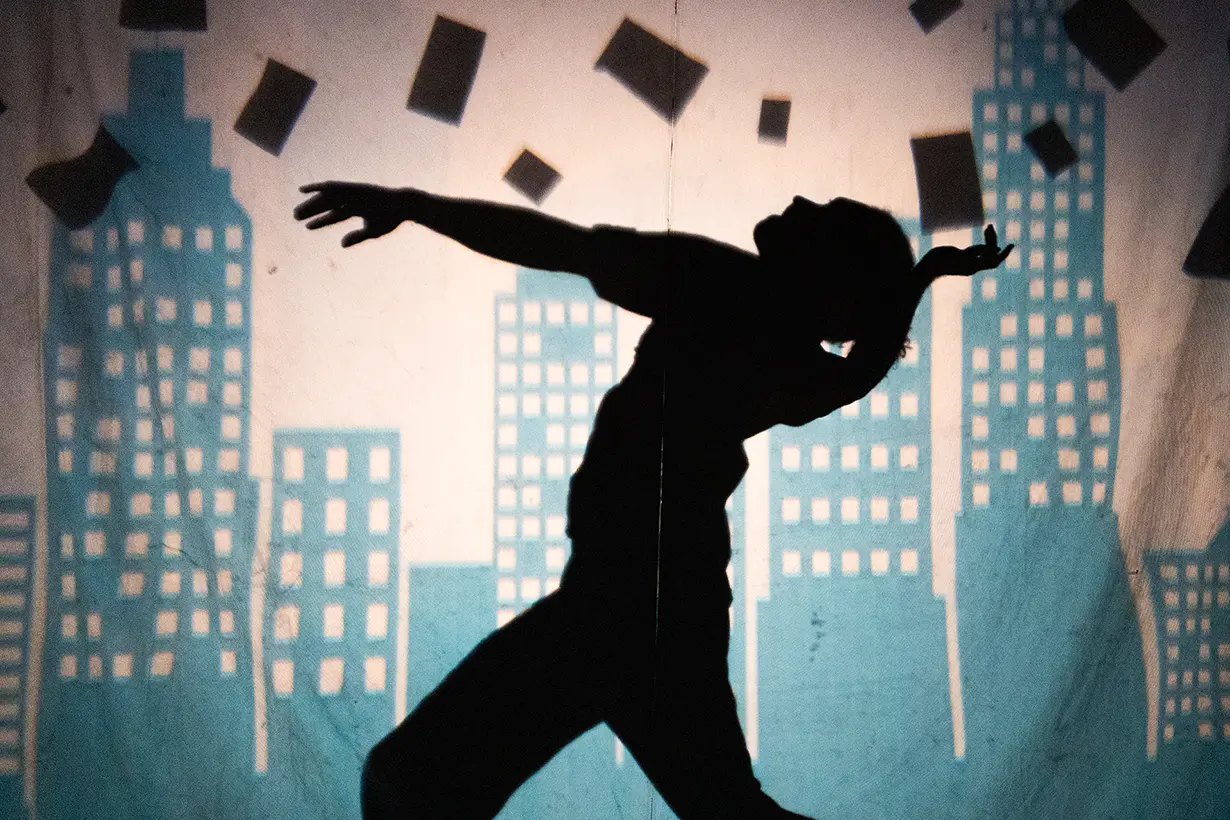
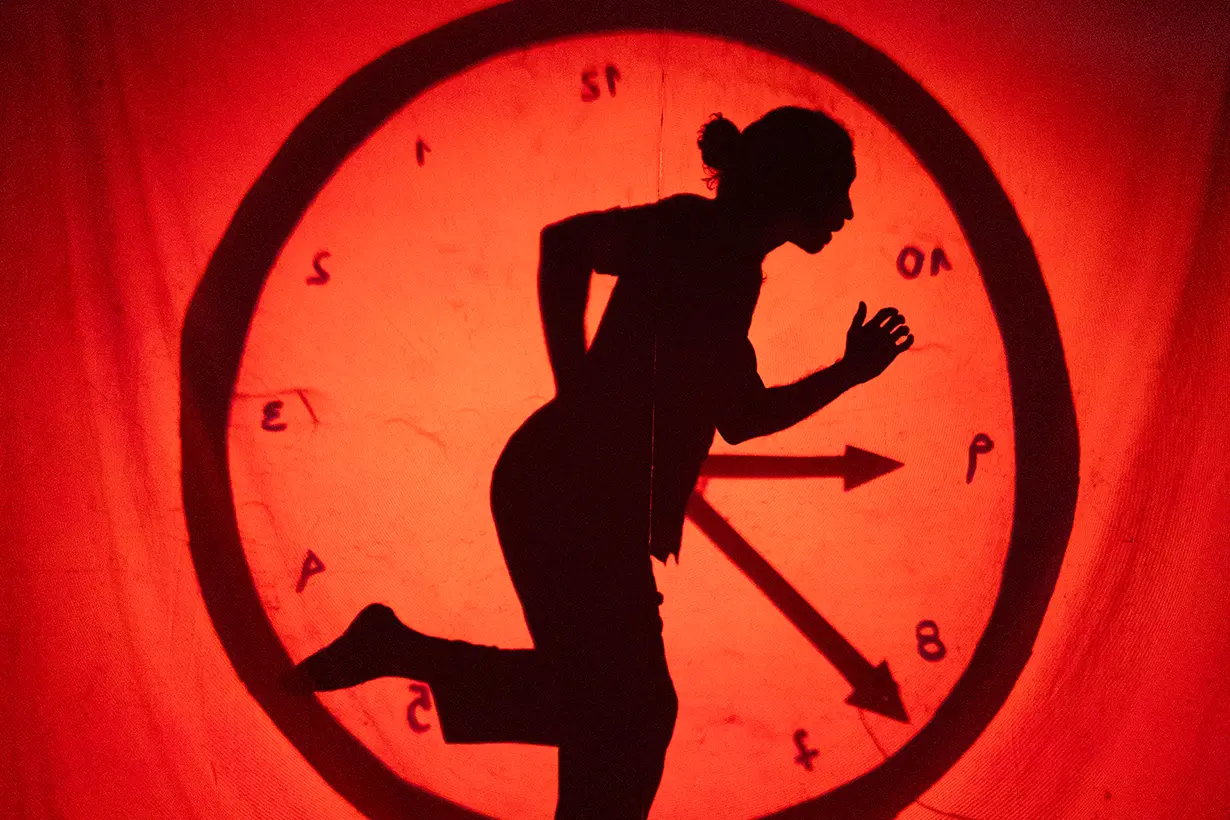
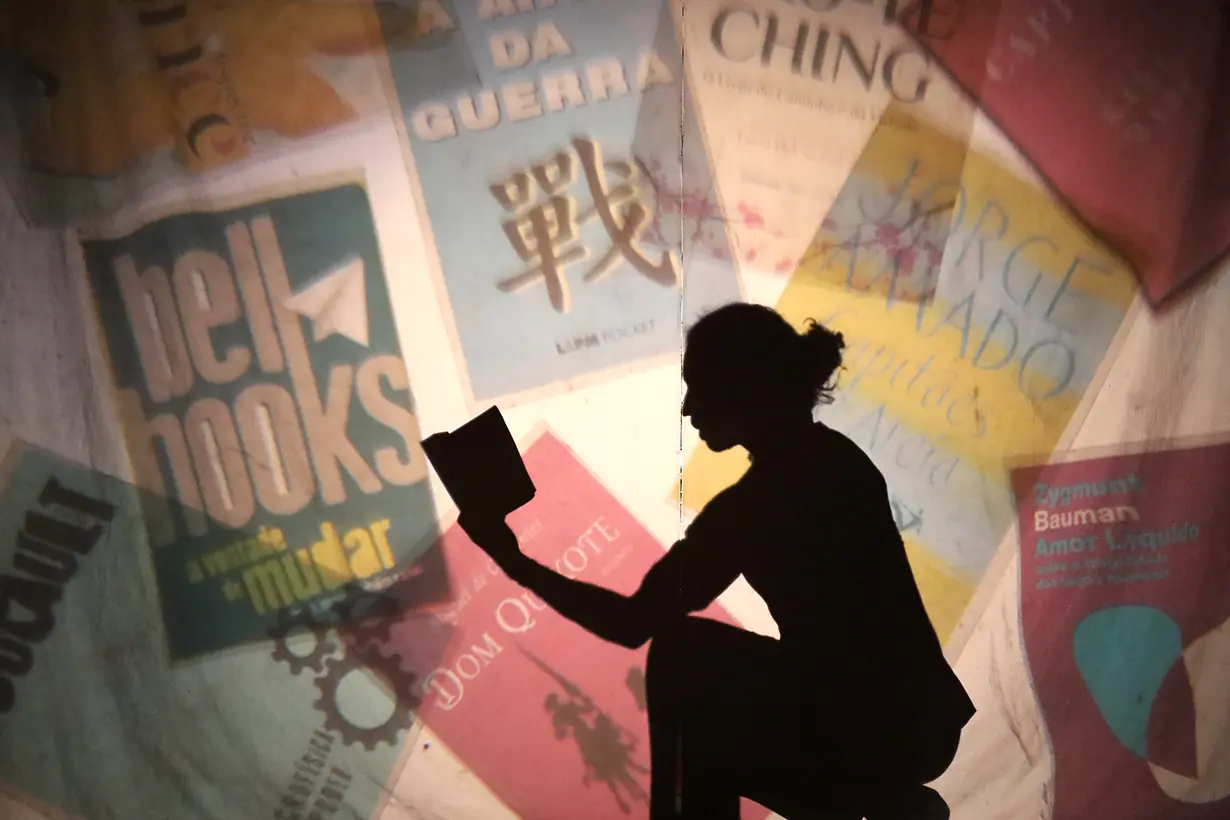
Built from shadow theatre — an ancient art form that tells stories by projecting silhouettes onto an illuminated screen — the performance tells the story of a teacher who, faced with the rapid technological transformations of the contemporary world, finds himself overtaken by a fundamental unease: after all, what makes us human? In a reality increasingly marked by the presence of artificial intelligences, the character begins a journey of reflection on identity, creation, memory, and belonging. For the author of the text, the work was born from the desire to provoke reflection on the relationship between human beings and new technologies. "What would it be like if papers lost their importance? Artificial intelligences are, more and more, present in humanity's daily life. Debating this topic is necessary so that we can question the essence of humanity. In the performance, we bring the reflection on what makes us unique and how new technologies can be integrated into our lives without our losing our creative and existential identity. Moreover, in writing this script, I wanted to play with our dependence on papers — documents, receipts that we keep, for example," he says. The performance also offers a look at the place of the human being beyond proof and external demands: trying to accept oneself without having to prove who one is. The performance brings much more than reflections on artificial intelligence, but rather an encounter with presence, with the essence that goes beyond any paper. "It is about stepping away from thoughts about the future that generate anxiety and fear, and turning inward," says the director.
Director and puppeteer: Naiara Gramacho
Dramaturgy, narration, and production: Pedro Albuquerque
Actor: João Lopez
Sound design: Eli Arruda
Audiovisual: Mariana Cabral
Staging collaboration: Felipe Olliver
Um Corpo de Palavras (2021)
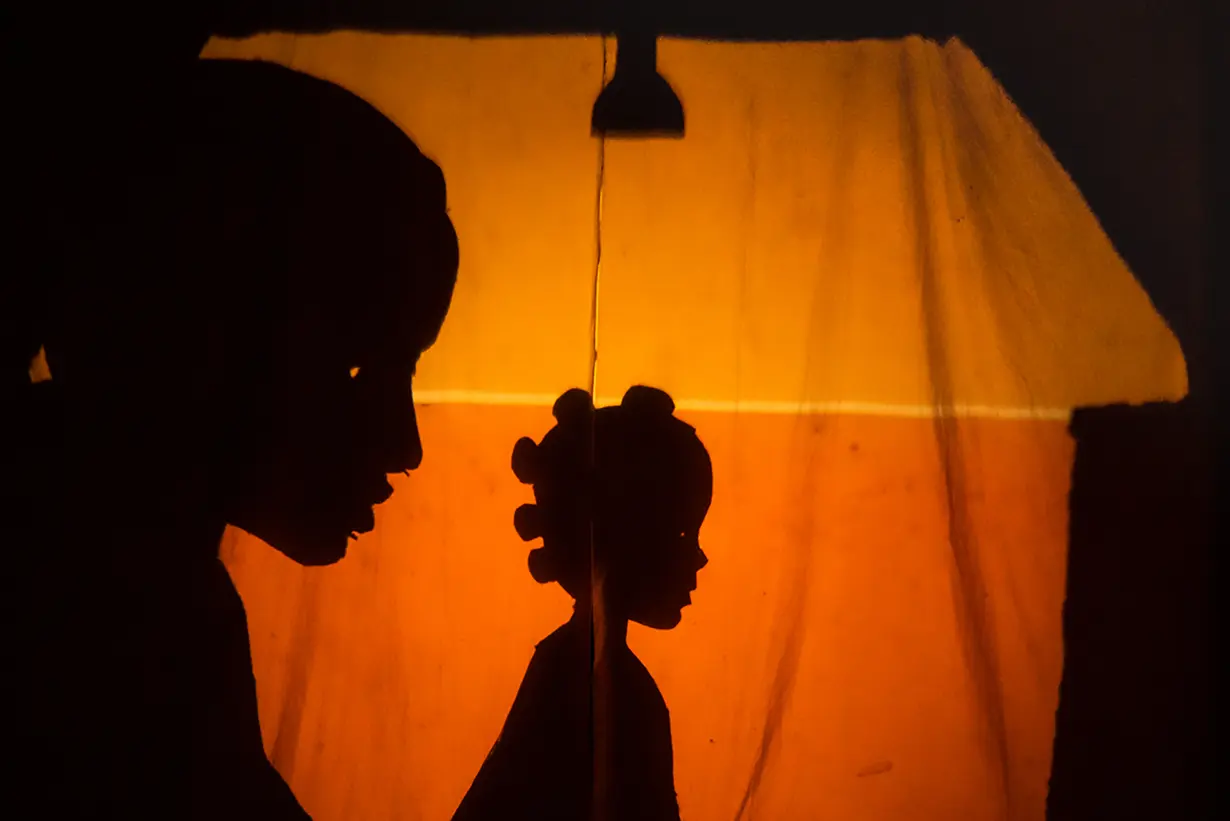
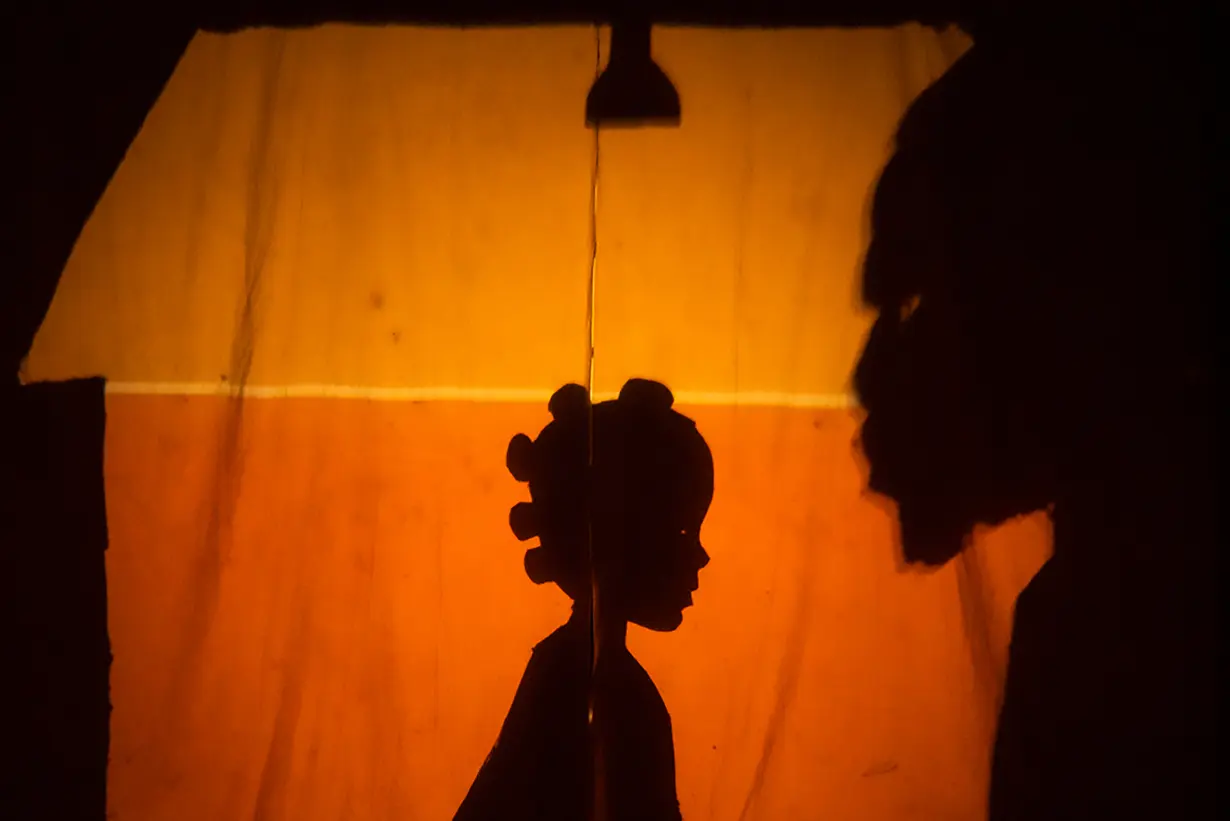
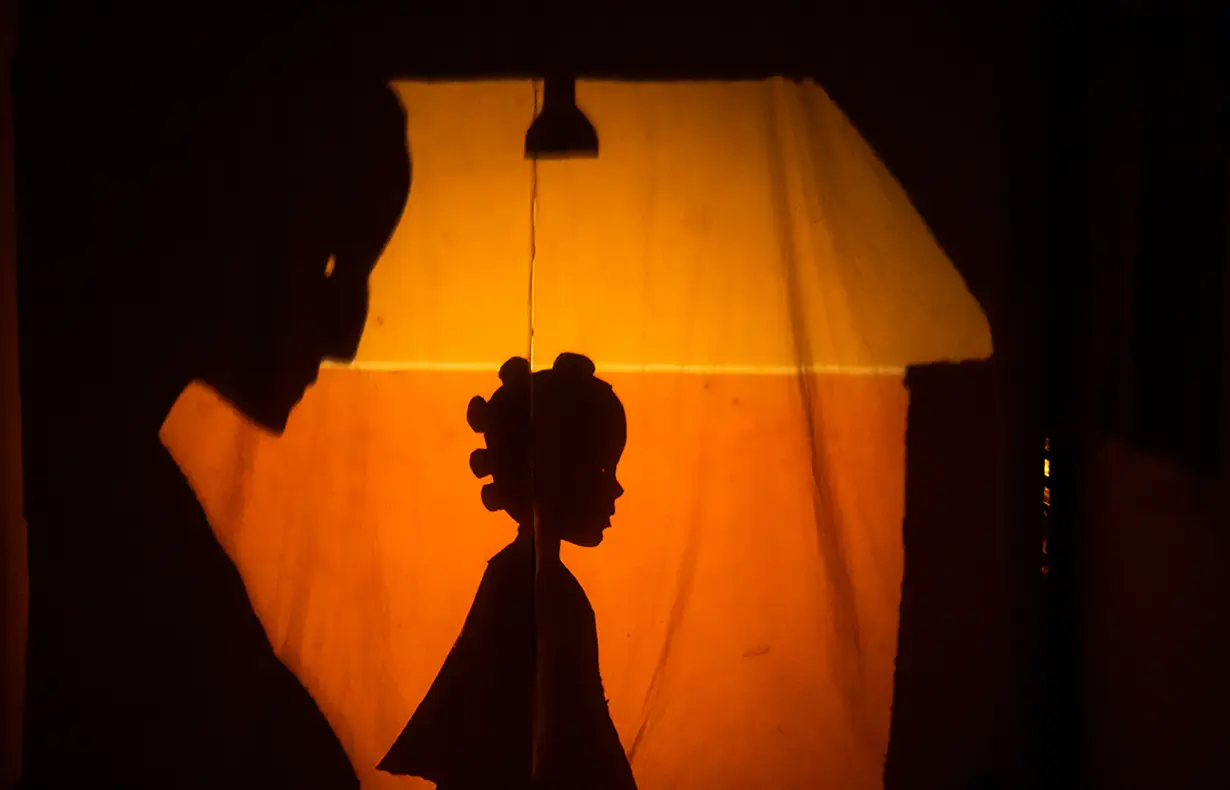
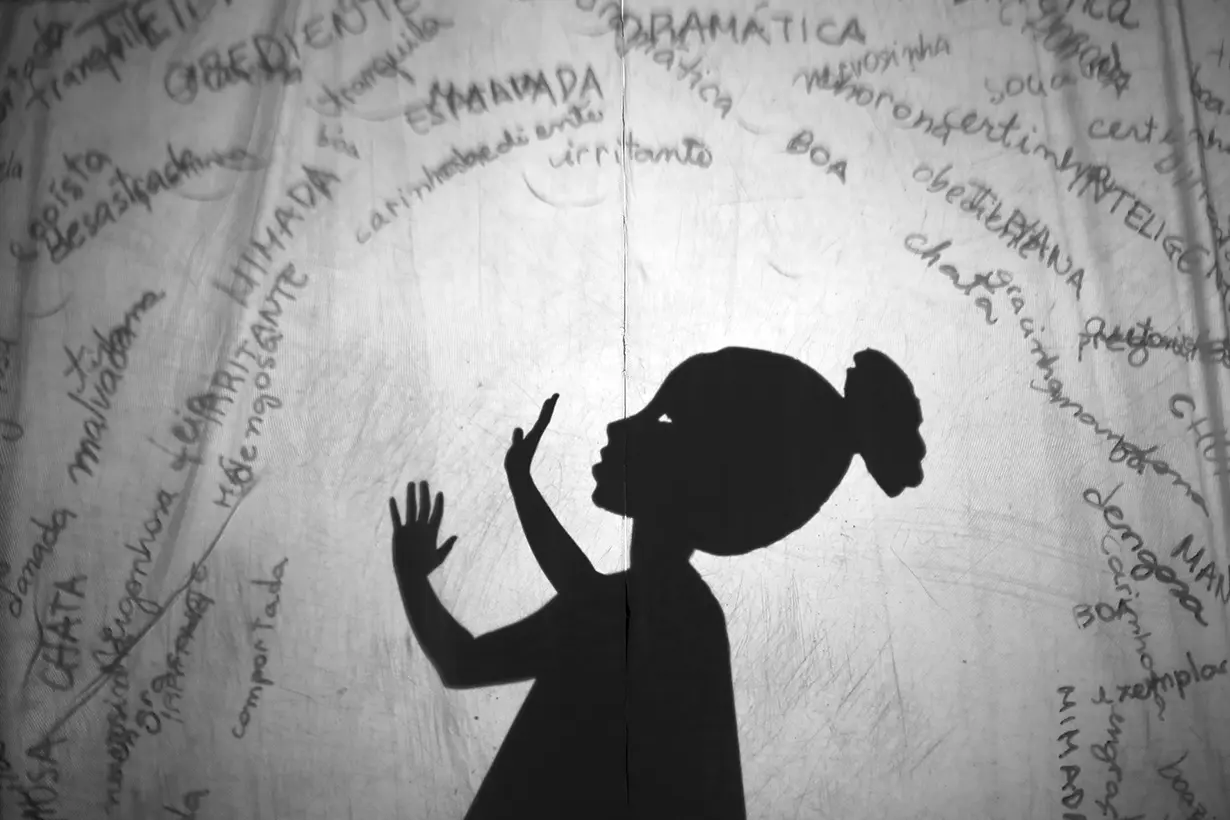
Built from shadow theatre, Um Corpo de Palavras (A Body of Words) tells the story of Paula, a girl whose body became covered in words whenever she heard, from adults, the labels and judgments that said who she was or should be. The production proposes a reflection on the power of label-words used from earliest childhood to judge children and, in doing so, to shape the gaze they build about themselves throughout their lives. It also intends to provoke parents, young people, and children to look together at their own communication and at family conflicts. A performance that shows us the power of words in our lives and that speaks of freedom, of taking hold of the power of one's own life beyond them. The creation is inspired by studies of nonviolent communication and parenting education, in search of ways of establishing more empathetic and loving relationships between adults and children. The way we communicate is cultural and the fruit of a system that feeds inequality, authoritarianism, racism, and the various forms of violence we witness in society. That is why the performance brings these reflections both to children and young audiences and to adult audiences. Um Corpo de Palavras had its staging selected by the Jorge Portugal Arts Award public call, under the Aldir Blanc Law, in 2021. It was nominated for the Prêmio Braskem de Teatro in 2022, in the category Best Theatre Production for Children and Young Audiences of Bahia, and, in the same year, took part in FIAC, the International Performing Arts Festival, in Salvador, in both virtual and in-person formats. It was also part of several festivals and projects in Bahia, with highlights including Festival Vilerê (2024), FENATIFS (2025), and Teatro de Cabo a Rabo (2026).
Director and puppeteer: Naiara Gramacho
Actresses: Driely Alves and Mariana Cabral
Dramaturgy and Set Design: Naiara Gramacho
Shadow figures: Olga Gómez and Naiara Gramacho
Sound design: Eli Arruda
Narration: Brisa Morena
Voices: Pedro Albuquerque, Naiara Gramacho, and Márcia Mascarenhas
Production: Pedro Albuquerque
O Pássaro da Esperança contra o Dragão da Tirania
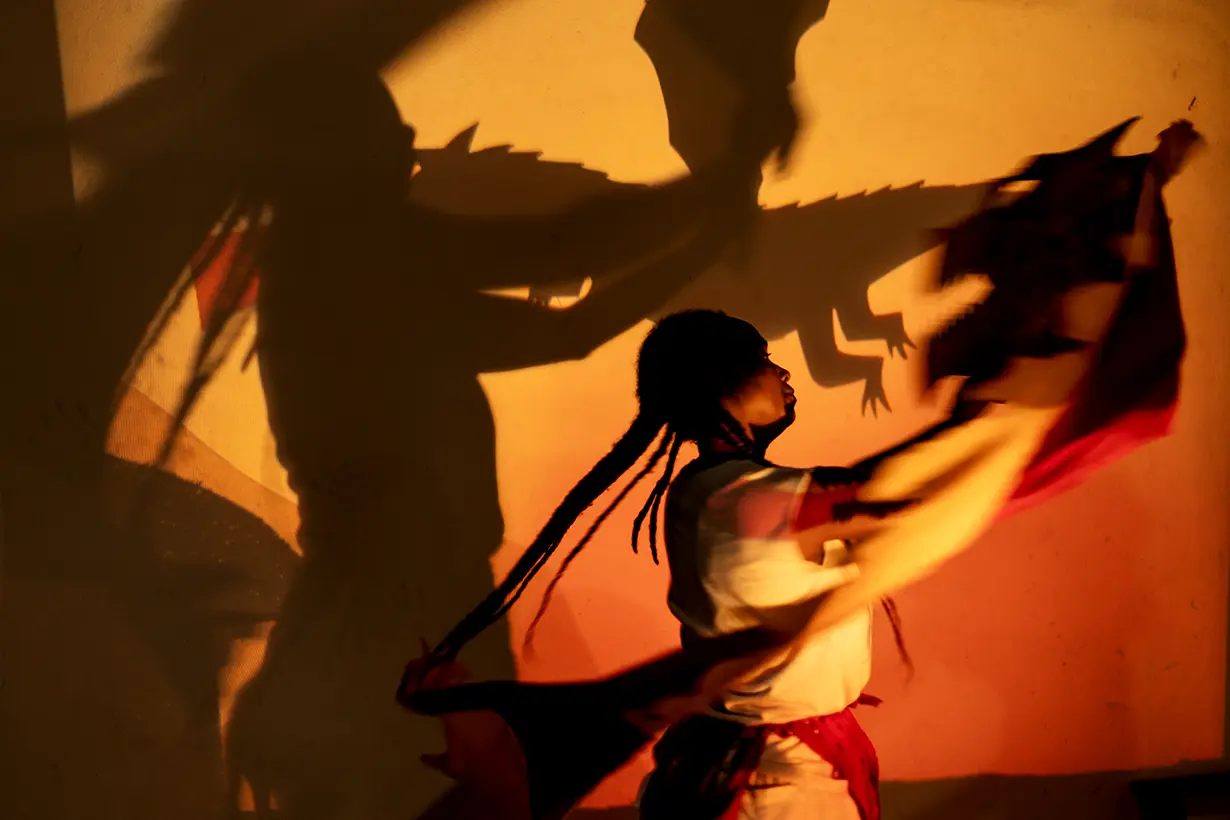
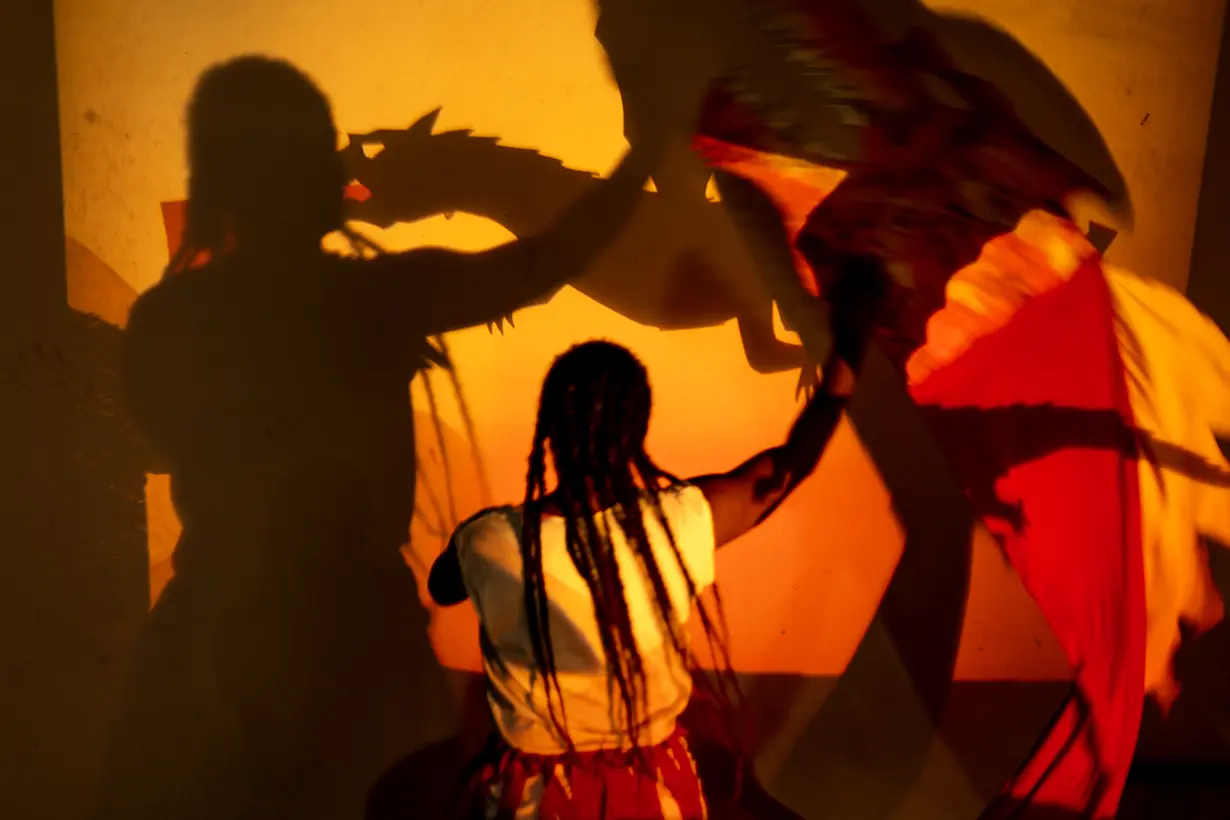
O Pássaro da Esperança contra o Dragão da Tirania (The Bird of Hope Against the Dragon of Tyranny) is a shadow theatre performance in the language of cordel literature, which playfully sets out to address the importance of social struggles and achievements, focusing on the union between peoples against tyranny and oppression. The performance seeks to portray the historical moment of the Independence of Brazil in Bahia in a playful way, drawing on fantastical devices (such as a dragon or an enchanted bird) to represent the oppression experienced and the popular conquest of independence. The aim is to value the union of peoples (of different ethnicities) as the only way to achieve freedom, democracy, and respect for diversities. To this end, symbolic figures such as the caboclo and wise, courageous female characters are highlighted. The production brings together the regional popular knowledge of cordel literature and shadow theatre. Using allegorical figures, the representation presents images of the clash between colonial oppression and the struggle for liberation. Conflicts and wars are not always easy themes to address with children. That is why, through fantasy, the child is filled with wonder and accesses the mythical universe in a light and fun way. The performance also features a score based on research into Indigenous musicalities for the conception of the songs and sound design. A special thanks to the Itapoã village, in Olivença, which welcomed us into its Poransy for the sound research.Direction, dramaturgy, and narration: Naiara Gramacho Production: Pedro Albuquerque Actresses: Naiara Gramacho, Driely Alvez, and Mariana Cabral Musicians: Washington Badé and Will
Music
Literature


Audiovisual
